There is a profound difference between a pile of steamed greens and a professional-grade Sautéed Vegetables Recipe that delivers restaurant-quality results. Imagine a heavy black cast iron skillet, shimmering with a light olive oil glaze, holding a vibrant spectrum of garden-fresh produce. Each bite offers a masterclass in texture: the snap of tender-crisp broccoli, the sweetness of blistered peppers, and the deep, smoky depth of charred zucchini rounds.
This Sautéed Vegetables Recipe isn’t just about heat; it is about the strategic application of fire and timing. We are looking for those signature charred brown edges and translucent red onion wedges that signal a perfectly executed sauté. By following this forensic approach to vegetable cookery, you will transform humble squash and peppers into a side dish that steals the spotlight from the main course.
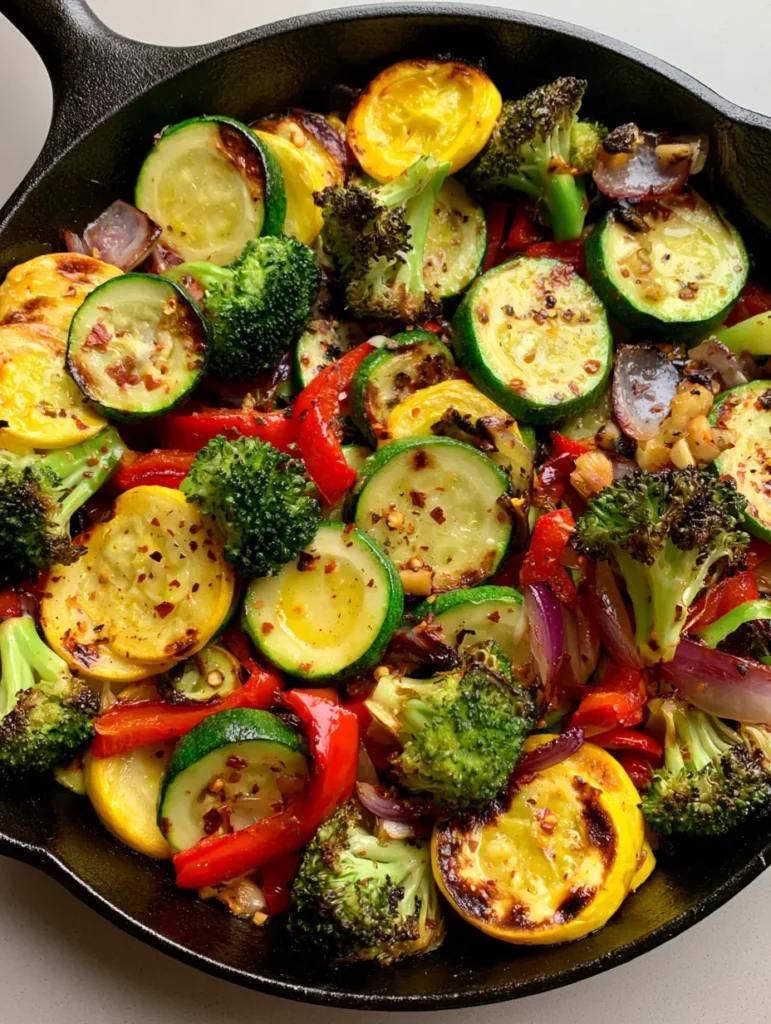
The Anatomy of a Perfect Sauté: Vibrant Ingredients
- Zucchini Rounds (2 medium / approx. 400g): Sliced into 1/4-inch (6mm) thick coins to ensure they develop a deep char without losing their structural integrity.
- Yellow Summer Squash (2 medium / approx. 400g): Provides a color contrast and a slightly softer texture than zucchini, absorbing the garlic-infused oil beautifully.
- Red Bell Pepper (1 large / approx. 150g): Cut into strips; the high heat blisters the skin, intensifying the natural sugars and adding a smoky complexity.
- Broccoli Florets (1 small head / approx. 300g): Trimmed into bite-sized pieces; we aim for “tender-crisp” with slightly singed tops for a nutty flavor profile.
- Red Onion (1 medium / approx. 150g): Sliced into thick wedges rather than rings to maintain a juicy, softened interior while the exterior caramelizes.
- Extra Virgin Olive Oil (3 tbsp / 45ml): The essential fat that facilitates heat transfer and creates that glistening, professional finish.
- Garlic (3 cloves / 15g): Minced finely and toasted at the very end to provide a savory, aromatic crunch without the bitterness of burnt garlic.
- Dried Red Pepper Flakes (1/2 tsp / 1g): Adds a subtle, creeping heat that cuts through the richness of the olive oil glaze.
- Kosher Salt and Black Pepper (to taste): Foundational seasonings that draw out moisture and highlight the individual vegetable flavors.
Essential Tools for High-Heat Cooking
To achieve the visual and textural goals of this Sautéed Vegetables Recipe, your equipment is just as important as your produce. A heavy 12-inch (30cm) cast iron skillet is the gold standard here because it retains heat effectively, allowing for that crucial charring action.
If you don’t have cast iron, a heavy-bottomed stainless steel pan will work, but avoid non-stick surfaces for this specific application. Non-stick pans often cannot reach the temperatures required to blister peppers and singe broccoli tops effectively. You will also need a sturdy metal spatula or tongs to move the vegetables efficiently across the hot surface.

Step-by-Step: Mastering the Cast Iron Char
Preparing the Vegetable Medley
Uniformity is the secret to a successful Sautéed Vegetables Recipe. Slice your zucchini and yellow squash into even rounds, and ensure your broccoli florets are of a similar size so they finish cooking at the same time. This preparation prevents the dreaded “mushy squash, raw broccoli” scenario that plagues many home cooks.
Achieving the Perfect Sear
Heat your cast iron skillet over medium-high heat until the olive oil is shimmering but not smoking. Add the zucchini and yellow squash in a single layer if possible; let them sit undisturbed for 2-3 minutes. You are looking for the sensory cue of a “hissing” sound and the visual cue of dark, charred brown edges before you toss them.
Blistering and Softening
Introduce the red bell pepper strips and red onion wedges to the pan. Move the squash to the outer edges where the heat is slightly lower, allowing the peppers to take center stage and blister against the hot iron. The onions should transition from opaque to translucent, becoming tender while retaining their wedge shape.
The Final Toasted Finish
Add the broccoli florets and a splash of water (about 1 tbsp / 15ml) if the pan looks dry, covering for 60 seconds to “steam-sauté” the tops. Finally, clear a small space in the center of the skillet, add a tiny drop of oil, and drop in your minced garlic and red pepper flakes. Toast the garlic for just 30-45 seconds until fragrant and golden, then toss everything together for a final glistening coat of oil.
Pro Tips for Vegetable Sauté Success
- Don’t Crowd the Pan: If you add too many vegetables at once, the temperature drops and they will steam in their own juices rather than charring. Cook in batches if necessary.
- High Heat is Your Friend: Do not be afraid of a little smoke; high heat is required to get those singed broccoli tops and charred zucchini skins.
- Salt at the End: Salting vegetables too early draws out moisture immediately, which can prevent the browning process. Season in the final two minutes of cooking.
- Use Fresh Garlic: Pre-minced garlic in a jar often has an acidic preservative that prevents it from toasting into the sweet, nutty bits we want for this dish.
Creative Ways to Serve Your Sautéed Bounty
This versatile Sautéed Vegetables Recipe is the perfect companion to a wide variety of proteins. For a Mediterranean-inspired dinner, serve these alongside a bowl of Mediterranean chicken orzo (coming soon) or use them as a vibrant base for Greek chicken gyros.
If you are looking for a plant-based feast, these vegetables pair beautifully with a hearty chickpea and black bean salad (coming soon). For those who love a bit of decadence, tossing these charred greens into a bowl of garlic butter steak pasta adds a much-needed hit of freshness and fiber to the meal.
Common Questions About Sautéing
While possible, frozen vegetables contain significant moisture and will not achieve the same charred, tender-crisp texture as fresh produce. If using frozen, thaw and pat them extremely dry before adding to a very hot pan.
Always add minced garlic during the final 30-60 seconds of cooking. Garlic has a low burn point; by adding it at the end and toasting it briefly in the center of the pan, you get a nutty flavor without the bitterness.
No, the skin of the zucchini and squash is essential for this recipe. It provides structural integrity and is the primary surface that develops those flavorful charred brown edges.
For this recipe, extra virgin olive oil provides the best flavor. However, if you are worried about smoke points at high heat, avocado oil or a light olive oil blend are excellent alternatives.
Sogginess is usually caused by crowding the pan or using heat that is too low. When too many vegetables are added at once, they steam in their own moisture rather than searing. Work in batches or use a larger skillet.
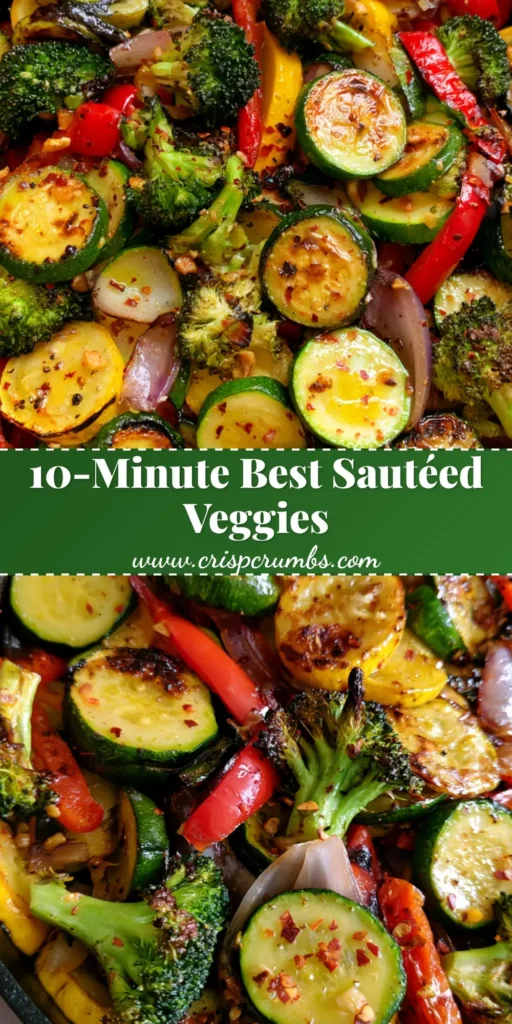
The Signature Skillet Sauté
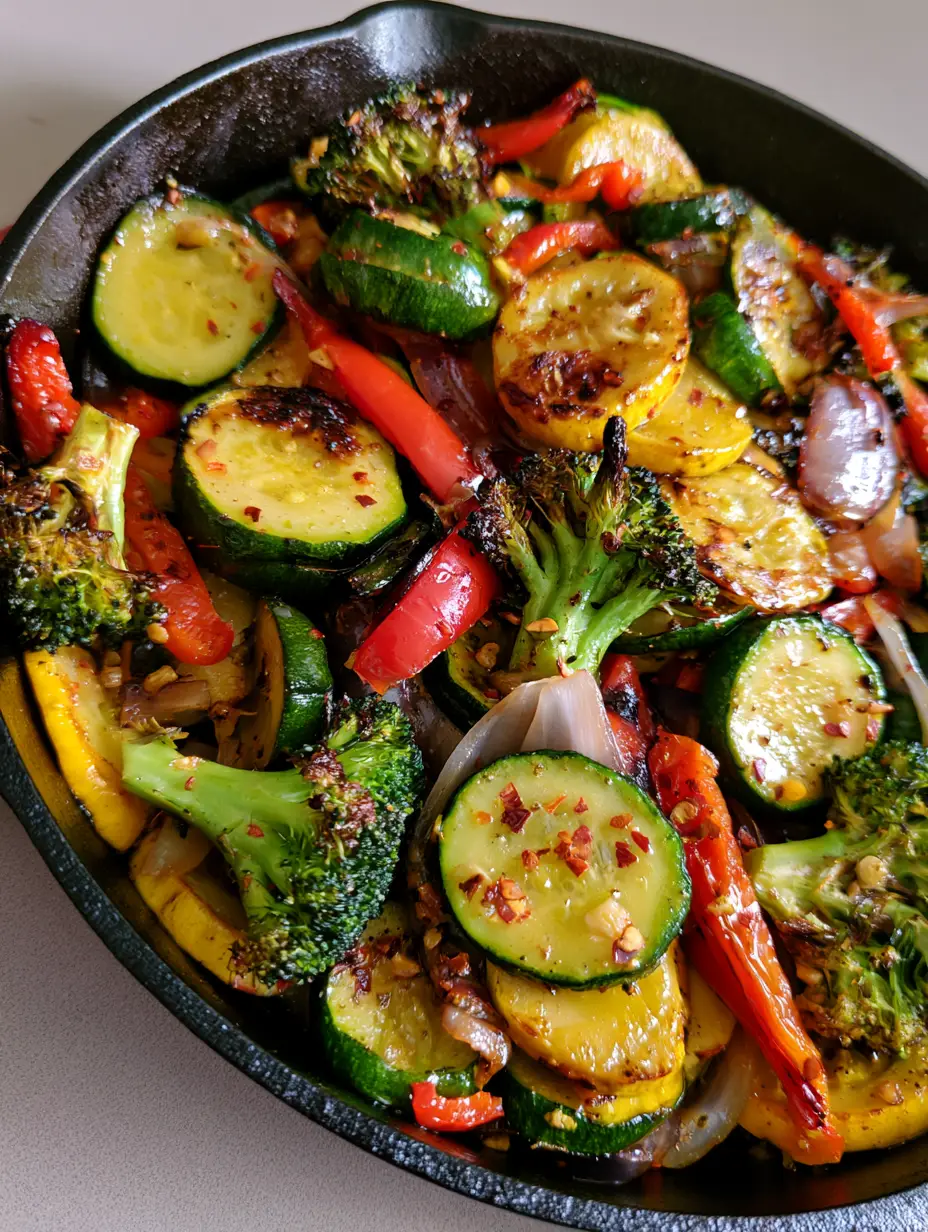
Sautéed Vegetables Recipe: The Ultimate Cast Iron Medley
Ingredients
Equipment
Method
- Wash and slice the zucchini and yellow squash into even rounds. Cut the red pepper into strips, the onion into wedges, and the broccoli into uniform florets.
- Heat 2 tbsp of olive oil in a cast iron skillet over medium-high heat. Add zucchini and squash in a single layer. Sear for 3 minutes until charred brown edges appear.
- Add the red peppers and red onions. Sauté for another 4-5 minutes, allowing the pepper skins to blister and the onions to soften and become translucent.
- Add the broccoli florets. If the pan is dry, add the remaining oil. Sauté for 3 minutes until the tops are slightly singed and the stems are tender-crisp.
- Push vegetables to the edges. Add minced garlic and red pepper flakes to the center. Toast for 30-45 seconds until fragrant, then toss the whole medley together. Season with salt and pepper.
Notes
If you prefer softer broccoli, add 1 tablespoon of water and cover the pan for 60 seconds during the broccoli step.
Closing & Call to Action
Mastering this Sautéed Vegetables Recipe is a fundamental skill that will elevate your weeknight cooking from “standard” to “spectacular.” The combination of high-heat charring and aromatic toasted garlic creates a sensory experience that proves healthy eating can be incredibly indulgent. If you enjoyed this recipe, please leave a comment below and share your results! Don’t forget to follow us on Pinterest for more culinary inspiration and visual guides.


