The culinary world has been set ablaze by the Cottage Cheese Pizza Crust, a high-protein, low-carb alternative that defies expectations of what a “healthy” pizza can be. Gone are the days of soggy cauliflower bases or cardboard-textured gluten-free substitutes; this crust delivers a flat, golden-brown foundation that holds its own against a thick layer of bubbly mozzarella. In our kitchen, we’ve perfected the technique to ensure your pizza looks exactly like a high-resolution, unedited smartphone photo: rustic, realistic, and incredibly appetizing.
Imagine pulling a dark metal baking sheet from the oven, the smell of toasted cheese and dried oregano filling the air. You see those iconic browned edges on a textured, crispy surface, topped with vibrant red marinara and pepperoni slices that have curled into tiny cups of savory goodness. This isn’t just a “diet” recipe; it is a gourmet experience that uses professional culinary science to transform humble cottage cheese into a sturdy, delicious vessel for your favorite toppings.
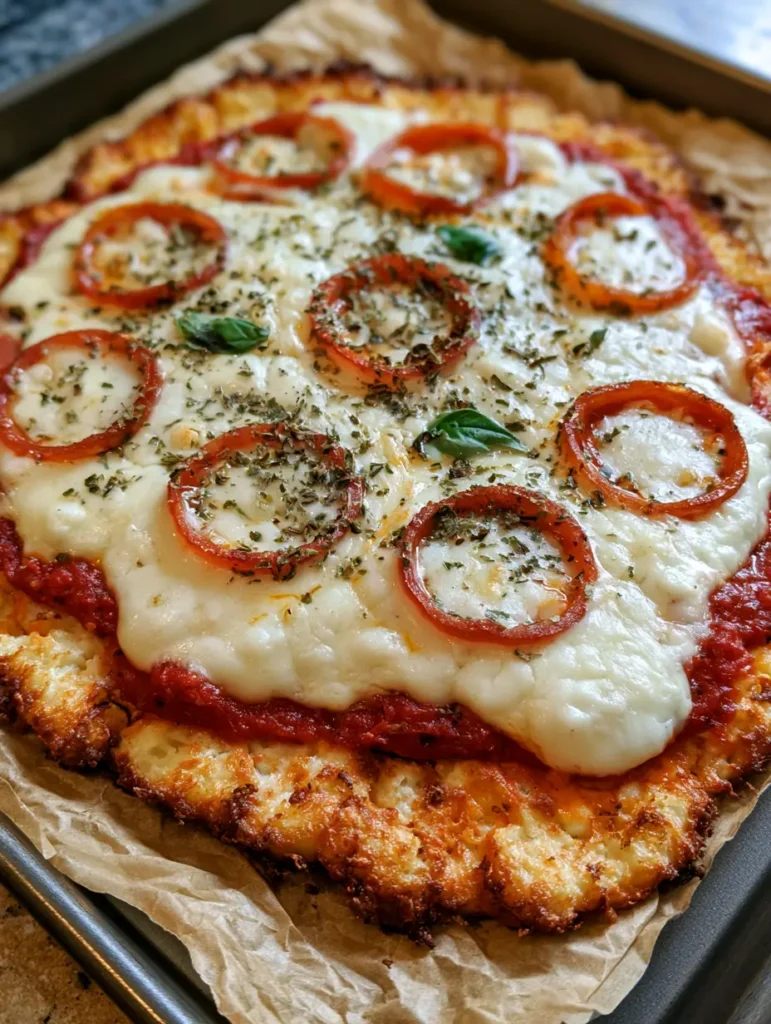
Why This High-Protein Pizza Base is a Game Changer
- Unmatched Macro Profile: By utilizing cottage cheese and eggs as the primary structure, this crust offers a massive protein boost while remaining naturally low in carbohydrates.
- Perfectly Crispy Textures: Unlike other alternative crusts, this version achieves a genuine golden-brown crust with distinctively browned, crispy edges that snap when bitten.
- Structural Integrity: The combination of blended dairy and high-heat baking creates a flat, sturdy base that can support a generous amount of melted mozzarella and pepperoni without folding.
- Visually Stunning Results: With its slightly textured surface and vibrant toppings, this pizza looks just as good as a traditional Neapolitan slice on your dinner table.
Essential Elements for a Golden and Sturdy Pizza Base
Every ingredient in this Cottage Cheese Pizza Crust serves a specific scientific purpose to ensure the final product matches our visual blueprint of a thin, crispy, and bubbly masterpiece.
Cottage Cheese (Full Fat Recommended): You will need 2 cups (450g) of cottage cheese; the fat content is crucial for the Maillard reaction, which provides that deep golden-brown color and rich flavor profile.
Large Eggs: 2 large eggs act as the primary binder, coagulating during the baking process to provide structure and lift to the otherwise liquid cheese mixture.
Grated Parmesan Cheese: Adding 1/2 cup (50g) of finely grated Parmesan provides “invisible” structural support and extra salt, helping the edges become significantly crispier than cottage cheese alone could achieve.
Garlic Powder and Onion Powder: 1 tsp (5g) of each ensures the crust has a savory, aromatic depth that complements the thin red tomato sauce and fresh basil toppings.
Thin Red Tomato Marinara: Use 1/2 cup (120ml) of a high-quality, low-moisture marinara to ensure the crust remains crispy and vibrant under the weight of the cheese.
Low-Moisture Mozzarella: 1.5 cups (170g) of shredded mozzarella creates that thick, melted layer of bubbly white cheese that is a hallmark of a perfect bake.
Thin-Cut Pepperoni: Approximately 15-20 thin circular slices are scattered on top; the high heat of the oven causes them to curl and crisp at the edges for maximum texture.
Herbal Finishing Touches: A light dusting of dried green oregano flakes and 4-5 small, fresh green basil leaves provide the final aromatic and visual contrast against the red sauce.
Professional Tools for the Perfect Sheet Pan Bake
To achieve the visual of a pizza resting on crumpled brown parchment paper on a dark metal baking sheet, you need the right equipment to manage moisture and heat distribution.
High-Powered Blender or Food Processor: This is essential to break down the curds of the cottage cheese into a smooth, homogenous liquid, ensuring a flat and uniform crust texture.
Dark Metal Baking Sheet: A dark sheet absorbs more heat than light aluminum, which is the secret to getting those deeply browned edges and a crispy bottom surface.
Premium Parchment Paper: Crucial for preventing sticking; the “crumpled” look in the photo actually helps with airflow, though a flat sheet is standard for even baking.
Offset Spatula: This tool allows you to spread the cottage cheese mixture into a thin, even layer, ensuring there are no thick, soggy spots in the middle of your pizza.

Mastering the Art of the Cottage Cheese Pizza Crust
Phase 1: Emulsifying the Base Mixture
Preheat your oven to 400°F (200°C). In your blender, combine the cottage cheese, eggs, and seasonings. Blend on high for 45-60 seconds until the mixture is completely smooth and no curds remain; this creates the foundation for that “flat” visual look.
Phase 2: The Critical Par-Bake for Crispness
Line your dark metal baking sheet with parchment paper. Pour the mixture onto the center and use an offset spatula to spread it into a large circle or rectangle, about 1/4 inch thick. Bake for 20-25 minutes. You are looking for a specific sensory cue: the edges should be a deep golden-brown and the surface should feel firm and dry to the touch.
Phase 3: Layering the Vibrant Toppings
Remove the crust from the oven and spread a thin layer of the vibrant red tomato marinara sauce across the surface, leaving a small border for the crust to show. Top with a thick layer of the white mozzarella. Arrange the pepperoni slices evenly; ensure they are thin-cut so the heat can penetrate and curl the edges quickly.
Phase 4: The Final Broil and Finish
Return the pizza to the oven for another 8-10 minutes, or until the mozzarella is melted and bubbly with golden spots. For the ultimate “crispy pepperoni” effect, turn on the broiler for the last 90 seconds. Monitor closely until the pepperoni edges are curled. Immediately after removing, sprinkle with dried oregano flakes and garnish with fresh basil leaves.
Pro-Level Secrets for a Crispy Surface
- Squeeze the Moisture: If your cottage cheese is particularly watery, you can strain it through a fine-mesh sieve for 10 minutes before blending to ensure an even crispier result.
- The Parmesan Shield: Dusting the parchment paper with a little extra Parmesan before pouring the batter creates a “fried cheese” bottom layer that is incredibly sturdy.
- Avoid Over-Saucing: Too much marinara will steam the crust from the top down. Stick to a thin layer to maintain the “flat and golden” visual integrity.
- Rest Before Cutting: Allow the pizza to sit on the dark metal sheet for 5 minutes after baking. This allows the proteins to set, making it easier to slice without the toppings sliding off.
Making the Most of Your Meal Prep
This crust is surprisingly resilient. Store leftovers in an airtight container in the refrigerator for up to 4 days. To maintain the crispy edges, avoid the microwave; instead, reheat in a dry skillet over medium heat or back in a 350°F (175°C) oven until the cheese is bubbly again.
You can also freeze the par-baked crust. Simply bake the crust (without toppings), let it cool completely, and wrap it tightly in plastic wrap. When the pizza craving hits, simply top the frozen crust and bake until the toppings are hot and the pepperoni is curled.
What to Serve Alongside Your Low-Carb Masterpiece
Because this Cottage Cheese Pizza Crust is so protein-dense, it pairs beautifully with light, acidic side dishes. A crisp chickpea and black bean salad (coming soon) provides a great textural contrast to the soft, melted mozzarella. If you’re looking for an indulgent dipping sauce for those browned edges, my famous cowboy butter (coming soon) adds a zesty, garlicky kick that elevates the entire meal.
For those who love the flavors of this dish but want a different format, you might enjoy a chicken parm cottage cheese bowl or a more traditional cottage cheese pizza bake. If you have extra cottage cheese remaining, use it to make a batch of cottage cheese crackers for a crunchy snack later in the week.
Your Pressing Pizza Questions Answered
It is not recommended. Blending is essential to remove the curds and create a smooth, flat batter that bakes into a cohesive crust rather than a lumpy omelet.
Eggs are the primary binder for this specific texture. While some vegan substitutes exist, they will not achieve the same golden-brown, crispy edges shown in the visual blueprint.
Ensure you par-bake the crust alone for at least 20 minutes until the edges are dark golden-brown. Also, use a low-moisture marinara and do not overload the toppings.
Yes, as long as your spices and marinara are certified gluten-free, the base itself (cottage cheese, eggs, and Parmesan) is naturally grain-free and gluten-free.
This usually happens if the parchment paper is low quality or if the crust isn’t fully baked. Ensure the bottom is set and golden before attempting to slice or move it.
The Ultimate High-Protein Cottage Cheese Pizza
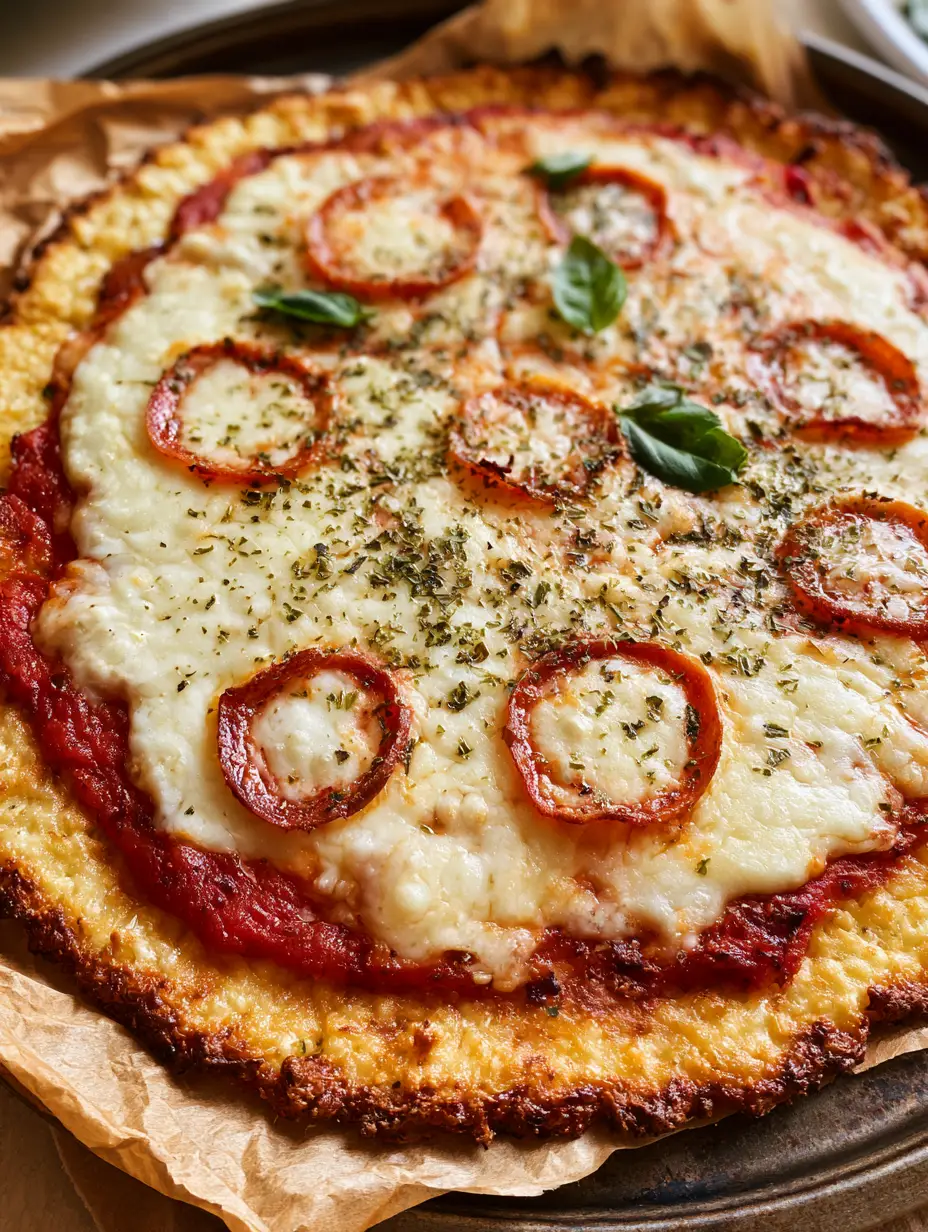
Cottage Cheese Pizza Crust Recipe (The Viral High-Protein Way)
Ingredients
Equipment
Method
- Place cottage cheese, eggs, and garlic powder in a blender. Process until completely smooth, ensuring no curds remain.
- Pour the mixture onto a parchment-lined dark baking sheet. Spread with an offset spatula into a thin, even layer.
- Bake at 400°F (200°C) for 20-25 minutes until the crust is golden-brown and the edges are crisp and browned.
- Spread a thin layer of marinara, followed by mozzarella and pepperoni slices.
- Bake for 8-10 more minutes. Broil briefly at the end until cheese is bubbly and pepperoni edges are curled and crispy.
- Finish with a dusting of dried oregano and fresh basil leaves before slicing.
Notes
Ensure the pepperoni is thin-cut to achieve the curled edge visual.
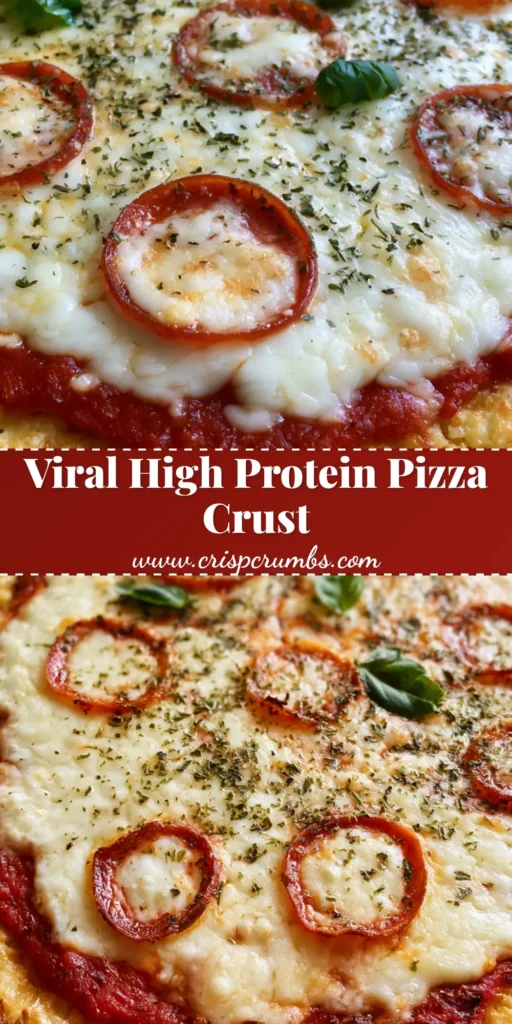
Closing & Call to Action
This Cottage Cheese Pizza Crust proves that you don’t have to sacrifice flavor or texture for a high-protein lifestyle. The golden-brown crust, bubbly mozzarella, and crispy pepperoni create a sensory experience that rivals any traditional pizzeria. If you enjoyed this recipe, please leave a comment below and tell us how your crust turned out! Don’t forget to save this recipe to your favorite boards on Pinterest so you can find it every time a pizza craving strikes.


