There is a specific culinary magic that happens when high heat meets the deep, molasses-rich profile of dark brown sugar and the savory depths of a soy reduction. This Brown Sugar Glazed Salmon isn’t just another weeknight dinner; it is a masterclass in texture and balance.
Imagine a vibrant, tender pink interior that flakes effortlessly at the touch of a fork, shielded by a thick, glistening dark-brown glaze. As the salmon bakes, the sugars undergo a beautiful transformation, bubbling and charring along the edges to create a complex bittersweet crust.
Whether you are a seasoned home cook or just beginning your culinary journey, this recipe delivers a restaurant-quality result using simple techniques. We are focusing on sensory cues—the sound of the glaze bubbling and the visual transition of the sauce into a mahogany lacquer—to ensure success every single time.

Why You Will Crave This Glistening Caramelized Salmon Masterpiece
- The Perfect Contrast: You get a shatteringly sweet, charred exterior paired with a buttery, melt-in-your-mouth pink center.
- Maillard Reaction Excellence: By utilizing dark soy sauce and brown sugar, we maximize the browning process for a deeper umami profile.
- Visual Sophistication: The scattering of toasted white sesame seeds and the pop of fresh green scallions make this dish look like it belongs on a magazine cover.
- Speed and Efficiency: From the first whisk of the glaze to the final garnish, you are looking at a total commitment of less than 25 minutes.
The Essential Pantry Staples for a Perfect Dark Soy Reduction
Creating that signature “thick, glistening” look requires specific ingredients that provide both body and color. Here is what you need to gather for your Brown Sugar Glazed Salmon.
Fresh Salmon Fillet (450g / 1 lb): Choose a high-quality, vibrant pink fillet, preferably center-cut for even cooking. The thickness of the fillet is crucial for maintaining that moist interior while the outside chars.
Dark Brown Sugar (110g / ½ cup): Unlike light brown sugar, the dark variety contains more molasses. This is the secret to achieving that deep, dark-brown color and the “bubbly” texture mentioned in our visual guide.
Dark Soy Sauce (60ml / ¼ cup): Dark soy is thicker and less salty than regular soy sauce. It provides the intense pigment required for the mahogany reduction that coats the fish.
Fresh Garlic (2 cloves, minced): Garlic adds an essential aromatic foundation. It softens into the glaze, providing tiny bits of texture and a savory counterpoint to the sugar.
Fresh Ginger (1 tsp / 5g, grated): Ginger provides a subtle heat and brightness. It cuts through the richness of the salmon fats and the sweetness of the glaze.
Toasted White Sesame Seeds (1 tsp / 5g): These offer a nutty crunch and a stark visual contrast against the dark glaze. They should be added at the very end to maintain their crispness.
Green Onions (2 stalks, sliced): Use both the white and green parts for a fresh, oniony bite. These provide the “fresh scallion rounds” that finish the dish visually.
Neutral Oil (15ml / 1 tbsp): A small amount of avocado or vegetable oil prevents the skin from sticking and helps conduct heat to the bottom of the fish.
Sea Salt and Black Pepper: Even with soy sauce, a foundational seasoning on the raw fish is vital. It ensures the interior of the salmon is as flavorful as the glazed exterior.

Kitchen Tools Required for Professional Charred Edges
To achieve the “handheld smartphone photo” quality of this dish, you need the right heat distribution. A heavy-rimmed baking sheet or a cast-iron skillet is ideal for this recipe.
Parchment paper is a non-negotiable here. Because the brown sugar glaze is so high in sugar, it will caramelize and potentially stick to your pan; parchment ensures a clean release and an easy cleanup.
A pastry brush is also highly recommended. To get that “heavily coated” look, you will want to paint the glaze onto the salmon in layers, ensuring every crevice of the flaky texture is filled with the soy reduction.
The Culinary Roadmap: How to Bake the Perfect Brown Sugar Glazed Salmon
Preparation and Moisture Control
Start by preheating your oven to 400°F (200°C). Pat your salmon fillet extremely dry with paper towels. Removing surface moisture is the only way to ensure the glaze sticks rather than sliding off into a watery mess.
Season the fillet lightly with salt and pepper. Place it on your prepared baking sheet, skin-side down. If you enjoy variety in your seafood prep, you might also find the techniques used in our parmesan-crusted baked salmon helpful for future dinners.
Reducing the Brown Sugar Soy Glaze
In a small saucepan over medium heat, combine the dark brown sugar, dark soy sauce, garlic, and ginger. Whisk constantly as the mixture comes to a simmer.
Watch for the bubbles to transition from thin and watery to thick and “lazy.” Once the glaze coats the back of a spoon and leaves a clear path when you run your finger through it, remove it from the heat. This reduction is what creates that “glistening” appearance.
The Glazing and Baking Process
Generously brush about two-thirds of the glaze over the salmon. Ensure the coating is thick. Slide the pan into the center rack of the oven.
Bake for 8-10 minutes. At this stage, you are looking for the salmon to turn opaque. The sugar will begin to melt and merge with the natural oils of the fish, creating a bubbly surface.
Achieving the Charred, Bubbly Finish
Turn your oven to the broiler setting (high) for the final 2-3 minutes. This is the most critical stage for the “Visual Recipe Blueprint.” Stay by the oven and watch closely.
The glaze will begin to vigorously bubble and darken. You are looking for slight charring along the edges of the fish. This indicates the sugars have reached the hard-crack stage, providing a tiny bit of “snap” to the crust. Remove the salmon when the interior is still a vibrant pink and the internal temperature hits 130°F (54°C).
The Final Flourish
Immediately after removing from the oven, brush the remaining glaze over the hot fish. This adds a fresh layer of “glisten.” Scatter the toasted white sesame seeds and the fresh green scallion rounds across the top. The residual heat will slightly soften the onions, releasing their aroma.
Secrets from the Test Kitchen for Flaky, Vibrant Results
- Don’t Overcook: Salmon continues to cook for several minutes after being removed from the heat. Pull it out when the center is slightly translucent to ensure it remains flaky.
- Use Dark Soy: If you only have regular soy sauce, add a teaspoon of molasses or honey to help mimic the viscosity and color of dark soy.
- Cold Salmon: Unlike steak, salmon often benefits from going into the oven slightly chilled. This allows the exterior to char under the broiler without overcooking the center.
- The Foil Trick: If you find the glaze is browning too fast before the salmon is cooked, tent the fish loosely with foil to deflect the direct heat.
Inspired Pairings: What to Serve with Your Glazed Fillet
This Brown Sugar Glazed Salmon is incredibly rich, so it pairs best with bright, acidic, or fresh sides. A crisp chickpea and black bean salad (coming soon) provides a great textural contrast to the soft fish.
For a more decadent meal, you could serve the salmon alongside a small portion of garlic butter steak pasta if you are hosting a surf-and-turf themed dinner. If you prefer to keep the flavor profile strictly coastal, consider adding some bang-bang salmon bites as an appetizer to keep the theme consistent.
If you find the glaze needs even more richness, a small dollop of cowboy butter (coming soon) melted over the top right before serving can add an incredible herbal depth to the sweet soy profile.
Troubleshooting Common Glazing Mistakes
Yes, but the glaze will be lighter in color and have a less intense molasses flavor. For the best ‘dark-brown’ visual result, dark brown sugar is highly recommended.
The key is using the broiler for only the last 2-3 minutes. This applies intense top-down heat to caramelize the sugars quickly while the center of the fish stays tender.
The salmon is done when the thickest part reaches 130-135°F (54-57°C) for medium. Visually, the interior should be vibrant pink and the meat should flake easily with a fork.
Yes! The skin acts as a protective barrier against the heat of the pan, keeping the interior moist. You can easily slide the fillet off the skin after baking.
This usually happens if the soy and sugar mixture wasn’t reduced enough on the stovetop. Ensure it simmers until it coats the back of a spoon before applying it to the fish.
The Master Recipe: Brown Sugar Glazed Salmon
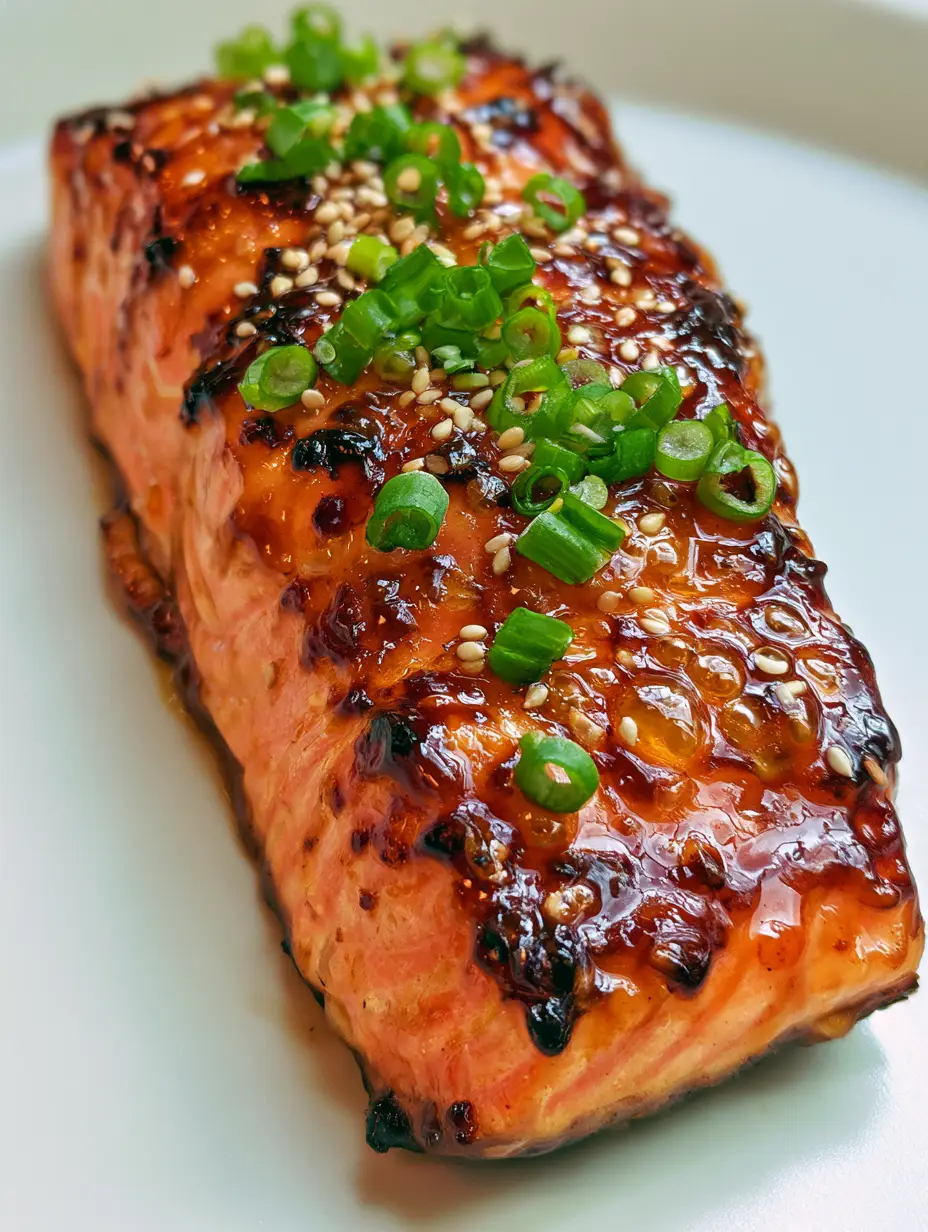
Brown Sugar Glazed Salmon: The Ultimate Caramelized Soy-Reduction Recipe
Ingredients
Equipment
Method
- Preheat oven to 400°F (200°C). Pat the salmon fillet dry with paper towels and season with salt and pepper.
- In a small saucepan, simmer brown sugar, soy sauce, garlic, and ginger until thickened and glistening.
- Coat salmon heavily with 2/3 of the glaze. Bake for 8-10 minutes until the fish is opaque.
- Switch oven to broiler. Broil for 2-3 minutes until the glaze is bubbly and slightly charred at the edges.
- Apply remaining glaze. Top with sesame seeds and green scallion rounds before serving.
Notes
Watch the broiler closely to prevent the sugar from burning.
Transform Your Dinner Table Tonight
Mastering the Brown Sugar Glazed Salmon is a gateway to understanding the balance of sweet, salty, and umami. It is a dish that proves you don’t need hours of preparation to achieve a result that looks—and tastes—professional.
We would love to see how your caramelized crust turned out! Leave a comment below with your favorite side dish pairing, and don’t forget to save this recipe to your boards by following us on Pinterest.


